Led & Collared: Headless Shopify
Tech stack
Shopify · Next.js · Prismic · Katana MRP
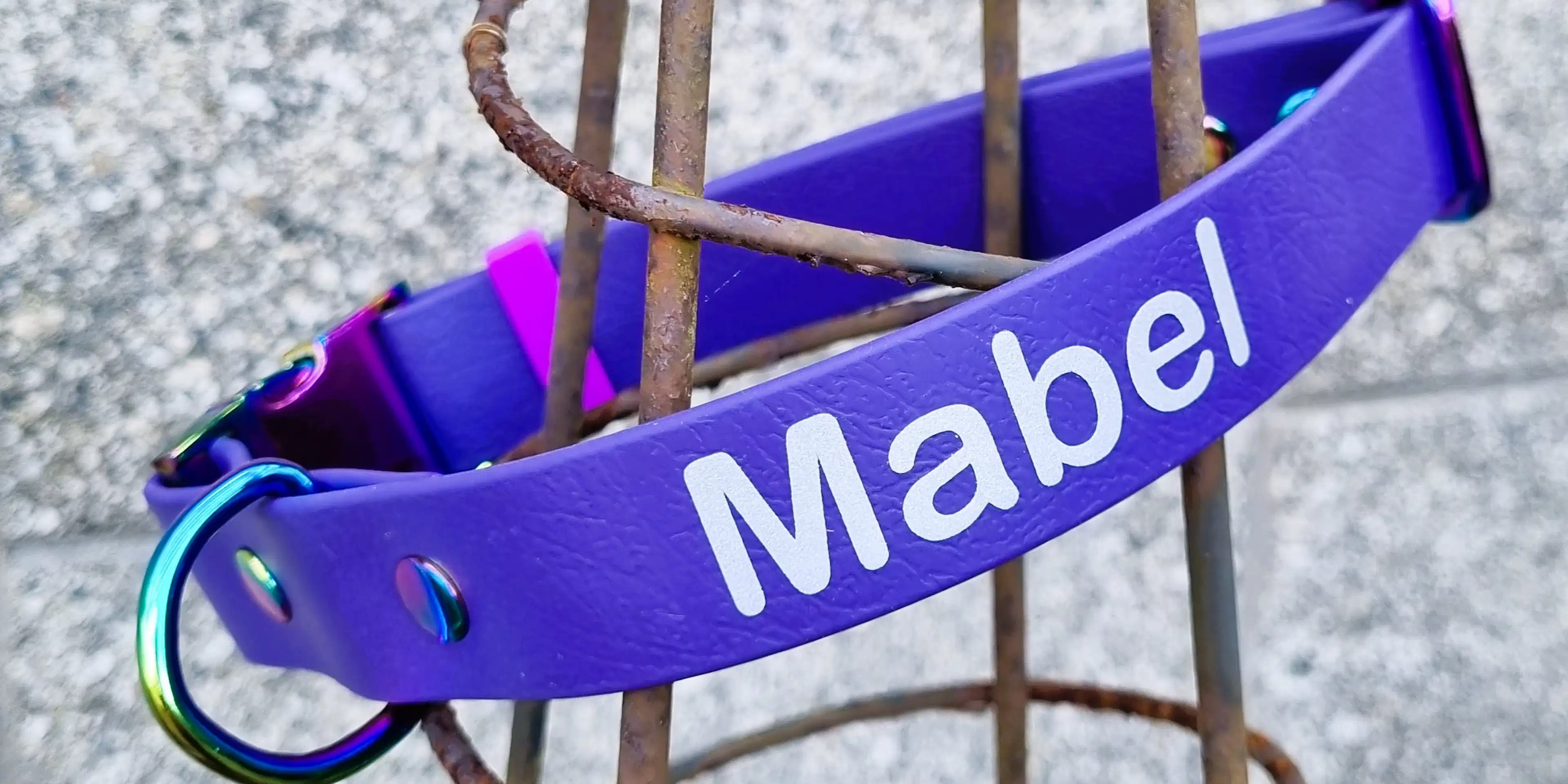
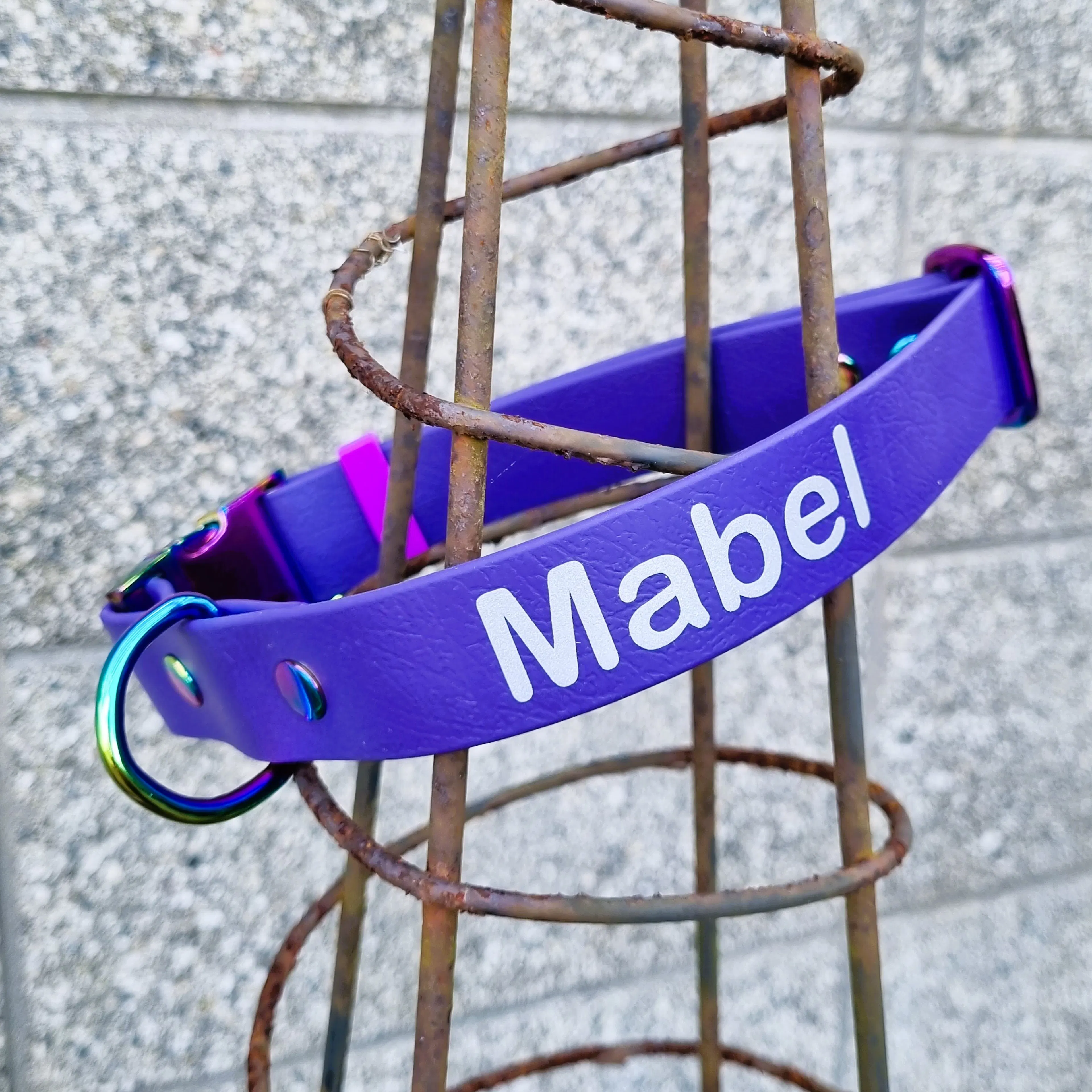
Led & Collared is a New Zealand pet gear company that makes custom collars, leads, harnesses, tags, signs and feeding bowls for dogs and cats. Every product is handcrafted and made to order. When I started, there was no website, no systems, no customers.
I built the entire ecommerce platform from scratch using Next.js and Shopify, with Prismic for content and Katana for manufacturing inventory. The complexity was in the product pages. Customers design their own gear, choosing from dozens of combinations of colours, sizes, hardware, personalisation and add-ons. Each product can generate hundreds of variants.
A few years later the business has grown year on year and now has over 190 Google reviews. I still maintain it today.
Customers don't pick a product. They build one.
What the business needed
This was a startup. The business owner had the passion and the products but no online presence. The brand work had already been done. I took those brand elements and built them out into a full ecommerce platform, designing the templates, page layouts and product experience around the existing identity.
She needed a platform that could handle a very specific kind of ecommerce: made-to-order products with deep customisation, and inventory management to back the manufacturing side.
A standard Shopify theme wasn't going to work. A customer buying a dog collar doesn't just pick a size. They choose the BioThane colour, the hardware finish, the buckle type, whether to add a name tag, what text goes on it, whether to add crystals or charms. Multiply that across collars, leads, harnesses, signs, feeding bowls and tags for both dogs and cats and you're looking at a product catalogue with a huge number of variant combinations.
The site needed custom product pages that could walk a customer through every decision without overwhelming them, and feed clean structured orders back to the maker.
What I worked on
Frontend · Shopify · Prismic CMS · Katana inventory · UX product pages · SEO · Performance
What I built
I built a headless Shopify storefront using Next.js on the frontend with Prismic as the content management layer. Shopify handled commerce, product data, cart and checkout via the Storefront API. Prismic handled all content pages.
The product pages were the hardest part. Each one is essentially a configurator. A customer building a quick release dog collar steps through colour selection, size, hardware type, hardware finish, personalisation options, and optional extras. The page updates dynamically as they make choices, showing them what their product will look like and what it will cost. The variant logic underneath maps those selections to the correct Shopify variant and line item properties so the order arrives at the maker with every detail accounted for.
This pattern repeats across every product category. Collars, leads, harnesses, tags, signs, bowls. Dogs and cats. Each one has its own set of options and combinations. I built the architecture to be flexible enough to handle all of them without rebuilding the logic for every product.
The Katana integration connected Shopify orders to the manufacturing workflow. When an order comes through, the raw materials and production steps are tracked in Katana. The business can see what needs to be made, what materials are in stock, and what needs to be ordered. For a made-to-order business handling hundreds of custom combinations, this link between the storefront and the workshop is what keeps things running.
The Prismic integration gave the owner full control over content. Blog posts, about pages, product descriptions, promotional banners. The team manages it all without needing a developer. The slice-based architecture means they can rearrange and create pages on their own terms.

What happened next
The business launched and started taking orders. It grew steadily, year on year. The product range expanded from collars into leads, harnesses, feeding mats and bowls, signs, tags and safety lights. The site now serves customers across New Zealand and internationally.
Search engine optimisation and performance
Going headless meant I had full control over on page SEO. No bloated theme code, no Shopify template constraints. I built the site with clean semantic markup, structured data, optimised metadata, and fast page loads from the start.
Search "custom dog collar" in New Zealand and Led & Collared sits in the first position. That's the result of a well-built site, good content structure through Prismic, and five years of the site just being fast and reliable. Organic search has driven real growth.
Over 190 Google reviews, almost all five stars. Customers mention the quality, the speed of delivery, and how easy it was to design exactly what they wanted.
I've maintained the site for many years. That includes feature additions, new product categories, performance updates, and the occasional Shopify API change. The build has scaled with the business because it was built to from the start.
Let's talk
If you've got a project or a role that needs someone reliable, I'd like to hear about it.