
MEC Bikes: Shopify Replatform
Tech stack
Shopify · Next.js · Prismic · Accumula · Lightspeed POS
MEC Bikes distributed Specialized Bikes across New Zealand from two Auckland stores. A flagship in Mt Eden and a second in Ellerslie. Their website was a different story.
It was custom built PHP with bolted on e-commerce that barely functioned. Pages wouldn't load. No mobile experience. Products were incomplete and disconnected from retail inventory. Online sales were zero. Not underperforming, zero.
I rebuilt the entire thing as a headless Shopify storefront using Next.js and Prismic, and turned the website into a third retail location that held its own alongside both physical stores.
The website wasn't a support channel for the stores. It became a retail channel in its own right.
What wasn't working
The existing site was built on a custom PHP CMS with custom e-commerce. It was unreliable, sometimes it wouldn't load at all. There was no mobile experience, product listings were incomplete, and the site had no connection to the retail inventory system.
MEC Bikes were frustrated and needed a platform that could actually sell, reflect real time stock across two stores and a warehouse, and be managed by their team without constant developer support.

What I worked on
UX · Frontend · Shopify · Data migration · Omnichannel integration · Prismic CMS · Performance
What I built
I designed and built a headless Shopify storefront using Next.js on the frontend and Prismic as the content management layer. Shopify handled commerce, product data, cart, checkout via the Storefront API. Prismic handled content. Next.js delivered the performance.
The omnichannel integration was critical. Accumula was the bridge between Shopify and Lightspeed POS, giving the business a single view of inventory across the website and both retail stores. Orders placed online were automatically routed to the store holding the stock for dispatch. Inventory updated in real time across all channels as sales came through, online or in store.
I also built a service within Next.js that synced warehouse inventory into the system. If a product wasn't available in store or online, customers could still see that stock existed in the warehouse and was available to order. The entire inventory chain, two stores, one warehouse, and the website was connected and updating in real time.
The Prismic integration used a slice based component architecture. I built the site in modular web components so the marketing team could create landing pages, rearrange homepage content, and launch promotions in any arrangement they needed, without touching code or contacting a developer. They used it to build seasonal campaigns, tailor the homepage, and promote specific product ranges on their own terms.
I did everything on this project. Design, frontend build, Shopify setup, data migration, Accumula integration, Prismic integration, performance tuning, and ongoing client management. The initial build took around three months with a couple of weeks of stabilisation and performance tuning. I stayed on for two years
What happened next
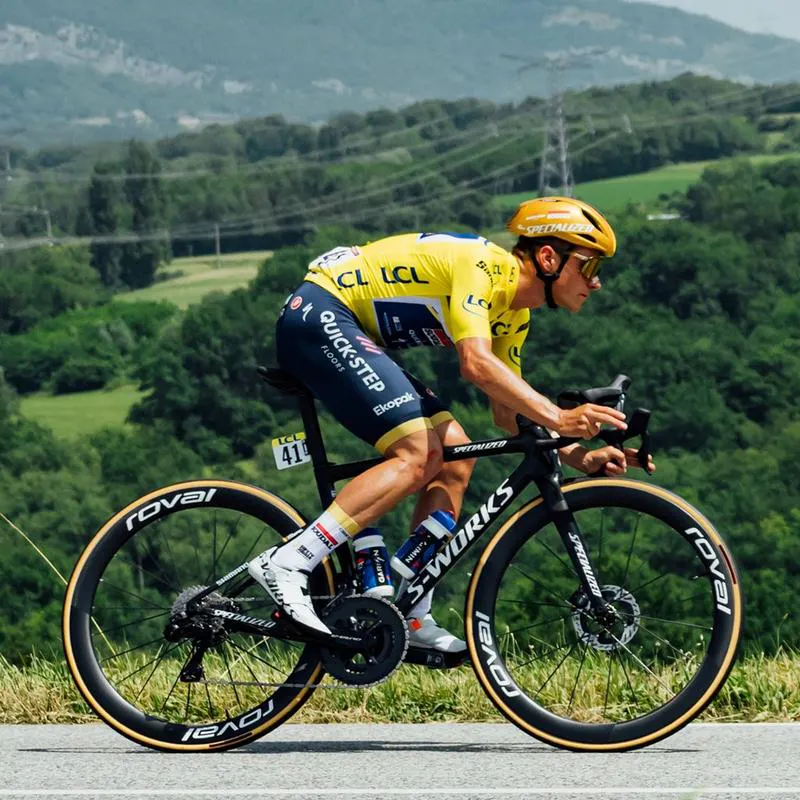
The site started generating sales almost immediately. Customers began with lower-value purchases, nutrition products, accessories and over time the trust grew. Within months, people were buying high end bikes online, some worth $15k+. The website went from a liability to a genuine revenue channel, growing into a six-figure annual stream.
MEC Bikes was acquired by Specialized, who entered the NZ market directly. I supported the transition as new stores were added across the country and integrated into the Shopify platform. The operation grew until Specialized's US based development team absorbed it into their global infrastructure.
A three month build that became a two year engagement. From a site that wouldn't load to a platform that scaled a business into an acquisition.
The site has been updated and now runs under Specialized NZ.
Let's talk
If you've got a project or a role that needs someone reliable, I'd like to hear about it.