What headless Shopify actually means
A normal Shopify store is one system. The backend (products, orders, inventory, checkout) and the frontend (what your customers see) are tied together. You pick a theme, customise it, and that's your store.
Headless Shopify splits those two apart. You keep Shopify's backend. It still handles your products, payments, and orders. But you replace the theme layer with a custom frontend built from scratch using something like React and NextJS.
The two halves talk to each other through Shopify's Storefront API. Your custom frontend asks Shopify for product data, prices, and cart information. Shopify sends it back. The customer never knows the difference.
Shopify's own version of this is called Hydrogen. It's a React framework built for headless Shopify stores, and it runs on their hosting platform called Oxygen. It's matured a lot since launch and it's now the default path for custom Shopify frontends.
That's all headless means. The frontend and backend are separate instead of joined.
Benefits of headless Shopify
Speed is the obvious one. A headless Shopify store using server side rendering can hit perfect Lighthouse scores. Pages load fast because you control every line of code. No theme bloat, no app scripts you didn't ask for, no third party code dragging things down.
That speed matters. Google's Core Web Vitals directly affect your search rankings. And faster stores convert better.
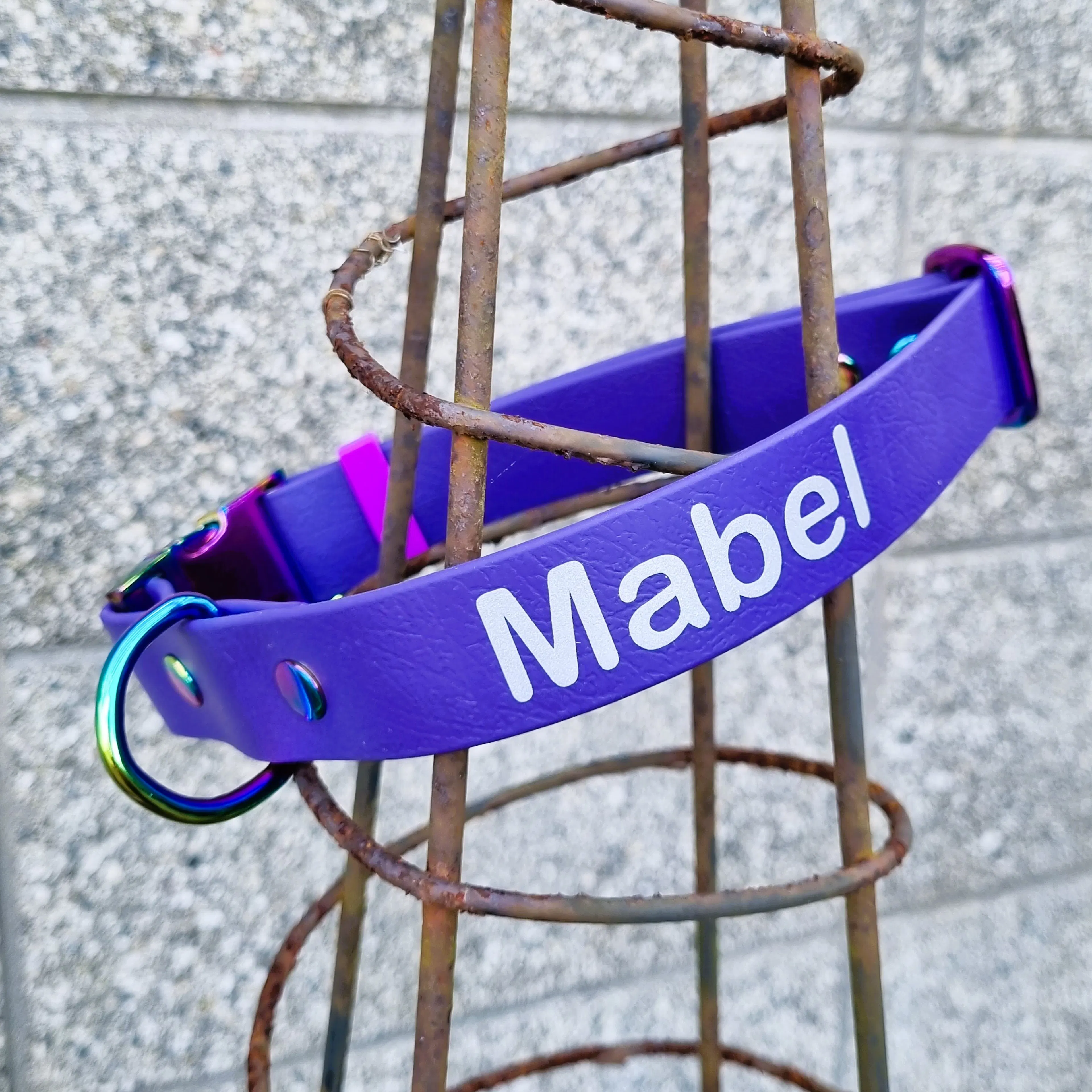
I built Led & Collared as a headless Shopify store using NextJS and Prismic. It's a New Zealand pet gear business selling custom made collars, leads, and harnesses. Search "custom dog collar" in New Zealand and it sits in the first position on Google. That ranking comes from clean code, fast page loads, and good content structure. You get full control over those things when you go headless. You lose that control when you're working inside a theme.
Design freedom is the other big gain. With a Shopify theme, you're working inside constraints. Some of those constraints are fine. But if your product needs something specific, you hit walls fast.
Led & Collared is a good example. Every product is made to order. A customer buying a dog collar doesn't just pick a size. They choose the colour, hardware finish, buckle type, whether to add a name tag, what text goes on it, optional extras. The product page is a configurator that walks them through every decision and feeds a clean structured order back to the maker. You can't build that inside a Shopify theme. It needed a custom frontend with variant logic underneath that maps dozens of combinations to the right Shopify line items.
You also get full control over your URL structure, which matters for SEO. And you can pull content from a headless CMS like Prismic alongside your Shopify product data, which makes it easier for non-developers to manage pages and posts without touching code.